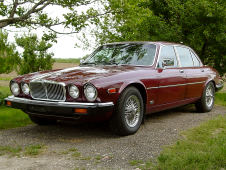
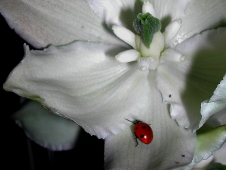
It has been a year now since I made the switch from film to digital photography. Overall, I would have to say that it has been a very positive change. There have been many favorable elements and to be honest, I can’t think of one thing about film that I miss. The one downside to the digital world is the additional effort required to process your images before you print them. But, on the other hand that is where the flexibility lies too. You can fix things that did not quite work out. Adjusting the exposure after the fact, or the white balance, tweaking the color saturation a bit to make it look like it did in real life.
The end result is a lot better picture. Looks like it did when you were standing there taking the shot. I have found that some caution is necessary though because it is easy to push the color saturation a bit too much. Doing that can make for a striking photo but there tends to be a shade of unreality to it when you do that. The tools for manipulating the image are simply mind-boggling. The industry standard is Adobe’s Photoshop. I put off buying it for a very long time. Not only is it expensive but it’s so powerful and has so many features that the learning curve is quite high. I decided to go ahead and make the plunge last December while I still had my academic credentials which allowed me to buy the package at a deep discount. As I expected it is a challenging package to learn. In fact, I think it will be a life-long process.
One of the neatest features I’ve found so far is the ability to select a certain portion of the photo and lighten or darken just that section. That feature alone has allowed me to save a number of photos. One of the other big reasons for using Photoshop is simply because all the articles/tutorials/how-to’s for digital photography are inevitably written for Photoshop. So, I have started inching my way up the learning curve. Someday I’ll probably be an expert.